Australia: 

Quite similar to an AA5, except for the use of a power transformer. 6BE6, 6BA6, 6AV6, 6AQ5, 6X4. Internal loopstick antenna.
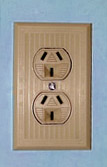
This set is quite happy with American 240V 60Hz, fed by an old American 3 pin outlet using the
Aussie power plug pattern. These predate our modern American 3 pin grounded outlets.
A transistor radio: 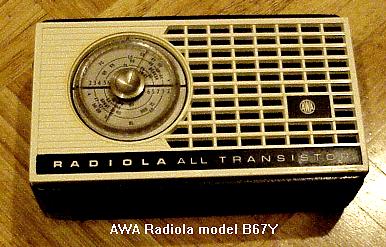
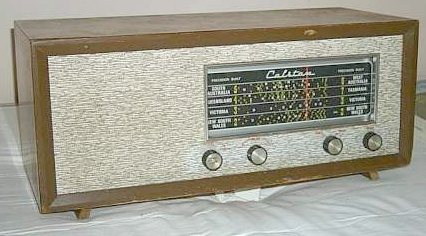

Closeup of the above dial with Australian radio station callsigns ↓ . American made Aussie style extension cord outlet ↖

 Also from Australia:
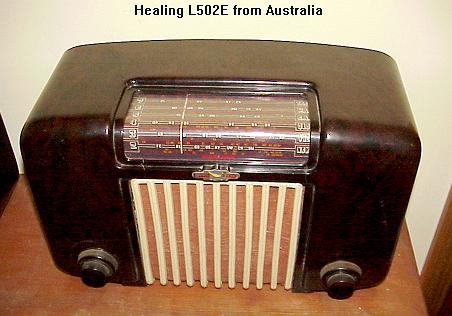
From 1950.
This set uses a 6A8G, 6U7G, 6B6G, 6V6GT and 5Y3GT


And a closeup of its dial, also with Australian radio station callsigns:
 .
.
If the Earth were transparent, this is what these radios' homeland would look like from my place in NJ USA.
conversely, the USA from Australia 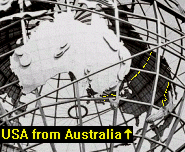
The Unisphere at the '64 -'65 New York World's Fair.
the  "baby" model 1001:
  The little map of Australia on the dial is a nice touch. It uses a 6A8 converter, an EBF2GT IF amp and detector,
an EL33 audio power output, and a 5Y3 rectifier. See the schematic
here.
The little map of Australia on the dial is a nice touch. It uses a 6A8 converter, an EBF2GT IF amp and detector,
an EL33 audio power output, and a 5Y3 rectifier. See the schematic
here.
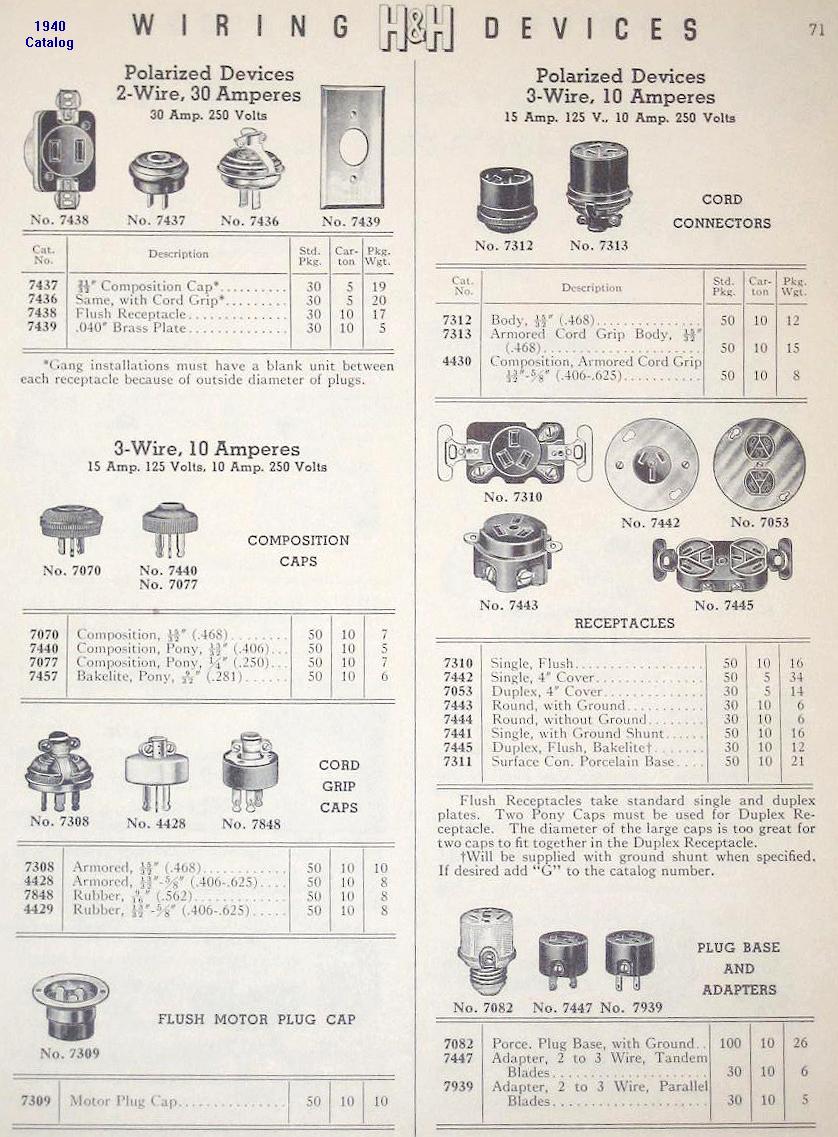
Look at device #7445, Aussie plugs would fit. And plug #7440 would fit Aussie power points.


Like Australian radios, this one has radio station callsigns on the dial (#xx format). Runs on 240VAC, has a power transformer, uses 4 tubes: ECH42, EAF42, EL41 and EZ40.
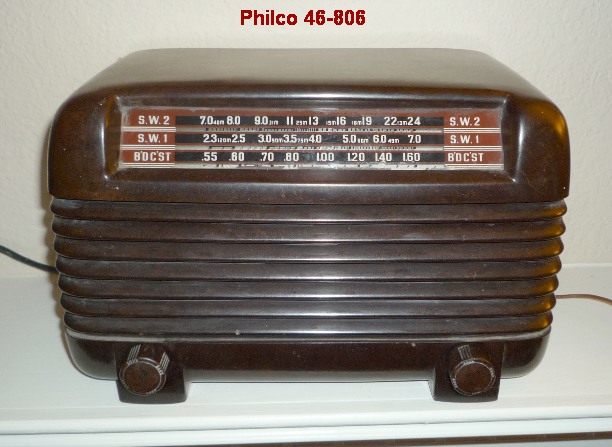
A Philco Tropic radio from Lima Peru:
Mainland China:

Tube lineup: 6А2П pentagrid converter (similar to a 6BE6), 6А4П IF amp remote cutoff pentode, 6К2П twin triode used as a detector and first audio, 6Н1П audio output, EM80 eye tube(6Е1П), and 6Ц4П double anode kenotron (rectifier).

Diagram:

Tube numbers mostly match, the EM80 appears to be a replacement of a 6Е1П. Someone had shorted two of the three caps across the oscillator coils to disable SW reception. So the owner wouldn't hear the lies from America?

Europe: 
Ireland: 
Japan: 
Peru: 
France: 
A closeup of the dial, calibrated with city names as per the "plan de Copenhague"

USSR: 
UK: 
Roberts Colourstream FM and digital audio broadcast (which the USA doesn't have) receiver and ethernet/wifi
Internet radio station streamer. Here in New Jersey, USA, it's streaming 4KQ Brisbane, QLD, Australia. Back says 230V@50Hz, though it's happy with American 240V@60Hz.


